Why Plainfield Auto Mechanic Delivers Accurate Troubleshooting
Dependable Auto Repair Services to Keep You on the Road
Trustworthy auto repair services are crucial in vehicle maintenance and safety. Reliable garages prioritize transparency, making sure customers understand pricing and services. Skilled technicians with valid certifications add to the assurance of quality repairs. However, not all repair shops maintain these standards. Understanding what to look for can make a significant difference in both vehicle performance and driver confidence. The next steps involve evaluating these vital qualities to find the right service for your needs.
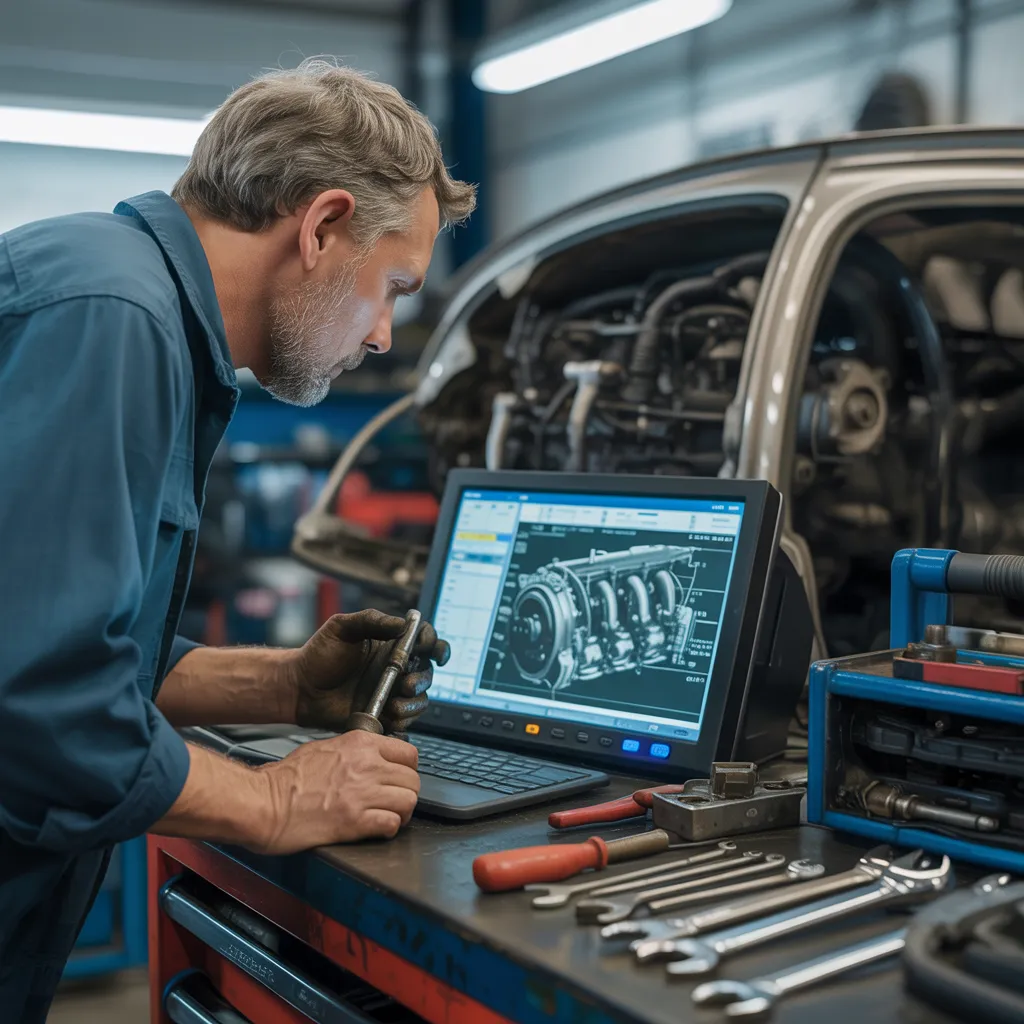
Vital Attributes of a Trustworthy Auto Repair Shop
When looking for a trustworthy auto repair shop, customers frequently prioritize certain attributes that indicate trustworthiness. Primarily, transparency in pricing and services is important; customers appreciate detailed estimates and clear communication regarding necessary repairs. Moreover, positive reviews and testimonials from former customers highlight a shop’s reliability and customer service. A clean and organized workshop also reflects dedication and skill in vehicle management.
Additionally, veteran mechanics who display skill in different automotive issues are indispensable. Customers value shops that offer guarantees on their work, assuring confidence that repairs are performed accurately. Finally, a steadfast dedication to customer service, including pleasant team members who are ready to answer questions, enriches the overall experience. By zeroing in on these essential qualities, customers can uncover an auto repair shop that accommodates their needs while assuring their vehicles receive reliable care.
Assessing Mechanic Qualifications
When evaluating auto repair services, gauging mechanic certifications is crucial for guaranteeing quality work. Certifications demonstrate a mechanic's level of expertise and commitment to the profession. Common certifications, such as ASE and manufacturer-specific credentials, serve as benchmarks for assessing a mechanic's qualifications.
Why Qualifications Matter
Certifications act as a critical standard in assessing the abilities and competencies of auto mechanics. They indicate that a mechanic has completed thorough training and has fulfilled specific industry standards. This formal recognition comforts consumers about the mechanic's proficiency and devotion to quality service. Certifications also show that the mechanic keeps pace with changing automotive technologies and practices, which is essential in an industry defined by rapid advancements. Additionally, mechanics with certifications often follow moral guidelines and industry practices, fostering trust between them and their clients. Ultimately, certifications give consumers with a dependable way to separate qualified professionals from those without formal recognition, guaranteeing better service and vehicle maintenance.
Typical Mechanic Licenses
Mechanic certifications show great variation, offering a structure for assessing the skill and credentials of vehicle technicians. Common credentials include the National Institute for Automotive Service Excellence (ASE), which is highly regarded in the industry. ASE certification requires helpful tips passing rigorous exams and demonstrating practical work. Manufacturers like Ford, Honda, and Toyota also offer specialized certifications, focusing on manufacturer-specific knowledge and skills. Furthermore, the Automotive Service Association (ASA) advances service standards among its members, guaranteeing professionalism in repair work. Credentials not only enhance a mechanic's credibility but also assure customers of their mechanical expertise. When choosing an vehicle repair shop, confirming these certifications can result in superior work and heightened trust in the repairs completed.
Why Direct Pricing Is Essential for Auto Repair Customers
Explicit pricing in auto service creates trust between patrons and service providers, nurturing a more trustworthy relationship. When repair shops communicate clear and upfront figures, customers can make educated decisions without the fear of hidden charges or unexpected costs. This frankness not only boosts customer happiness but also strengthens loyalty, as clients feel more confident in their choices.
Moreover, lucid pricing helps institute a standard of obligation within the auto repair industry. Customers are more willing to frequent a shop that openly communicates costs and explains services, leading to a positive feedback loop. Additionally, transparency can reduce disputes over billing, as clients have a clear awareness of what they are paying for.
In a challenging marketplace, maintenance centers that focus on straightforward cost structures can stand out and gain more patrons. Ultimately, this method promotes a stronger, more credible auto repair sector for all involved.
How to Build a Strong Relationship With Your Mechanic
Building a strong relationship with a mechanic can enhance the overall quality of auto maintenance. Open dialogue of requirements, fostering trust over time, and comprehending service recommendations are essential elements in this process. By focusing on these areas, vehicle owners can guarantee more effective and reliable service.
Express Your Desires Distinctly
In what ways can robust interaction reshape the relationship between a car owner and their mechanic? Clear dialogue fosters reciprocal comprehension and ensures that both parties are aligned on expectations. Car owners should communicate detailed worries, describe symptoms, and share any previous repair history. This transparency allows mechanics to diagnose issues accurately and recommend appropriate solutions. Furthermore, asking questions about the repair process or parts used can deliver valuable insights, equipping car owners to make well-informed choices. Establishing a bidirectional communication system encourages mechanics to explain technical details in layman's terms, boosting trust and satisfaction. Ultimately, effective communication not only streamlines the repair process but also cultivates a lasting partnership, where both the car owner and mechanic feel respected and valued.
Create Credibility Over Time
Trust is the cornerstone of any thriving relationship, and the dynamic between a car owner and their mechanic is no exception. To build this trust over time, car owners should begin by visiting the same mechanic consistently. This ongoing relationship allows the mechanic to understand the vehicle’s history and the owner's preferences. Open, honest communication about issues and experiences fosters mutual respect. Additionally, car owners should pay attention to the mechanic’s recommendations and expertise, acknowledging their professional insights. Engaging in regular check-ins about the vehicle’s performance can further solidify this bond. Finally, a willingness to ask questions and seek clarification demonstrates commitment, allowing both parties to collaborate effectively. Building this relationship ultimately leads to reliable service and peace of mind on the road.
Grasp Maintenance Advice
Grasping maintenance recommendations is vital for creating a robust connection between car owners and their mechanics. By participating in these suggestions, car owners showcase their commitment to vehicle upkeep, which mechanics respect. Knowing manufacturer guidelines and service intervals allows owners to make well-informed decisions about their vehicle's care. This knowledge promotes more meaningful discussions during visits, changing the mechanic from just a service provider into a trusted advisor. Moreover, being proactive with maintenance can catch potential issues early, preserving time and money in the long term. Establishing this dialogue not only builds trust but also results in better service outcomes, assuring that the vehicle remains reliable and safe on the road.
Best Auto Repair Scams to Avoid
What are the most frequent auto repair fraudulent schemes that unsuspecting vehicle owners should be cautious about? One frequent scam involves unnecessary repairs, where mechanics inflate the needed services to raise profit. For example, they may suggest replacing parts that are still working. Another tactic is the “bait and switch,” where a low initial estimate is given, but extra costs appear once the vehicle is in the shop. Also, some shops may bill for services never performed, exploiting the lack of oversight. Misdiagnosing problems is also frequent; mechanics may claim a more expensive issue exists instead of fixing a simpler one. Lastly, copyright or substandard parts may be used, jeopardizing vehicle safety and performance. Vehicle owners should stay vigilant and obtain multiple estimates to avoid falling victim to these deceptive practices.
Helpful Recommendations for Taking Care of Your Vehicle
After maneuvering through the pitfalls of common auto fraudulent schemes, vehicle owners can implement preventative measures to ensure their cars remain in peak condition. Regular maintenance is essential; arranging oil changes every 3,000 to 5,000 miles helps secure engine longevity. Tire care is just as vital; checking tire pressure monthly and rotating tires every 6,000 to 8,000 miles can improve performance and safety.
Additionally, automobile owners should check liquid levels, including antifreeze, braking fluid, and gearbox fluid, to avoid potential issues. Following the manufacturer’s recommended service intervals is essential for warranty coverage and the general condition of the vehicle.
Caring for the outside and interior not only maintains appearance but also prevents rust and wear. Finally, paying attention to unusual sounds or warning lights can provide early warnings of problems. By adopting these practices, owners can greatly extend their vehicle's lifespan and reliability.
When would you prefer to use professional repairs as opposed to DIY?
When is it prudent for vehicle owners to seek expert repair services rather than handling issues themselves? Professional repairs are recommended when the issue involves intricate mechanisms, such as the engine, transmission, or electrical components. These areas often demand expert expertise and tools that the average DIY enthusiast may lack. Additionally, if the vehicle displays warning lights or strange sounds, it may indicate underlying issues that require professional assessment.
durability and sustained performance on the road.
Common Questions Asked Often
How Can I Locate a Reliable Car Service Center Nearby?
To find a reliable auto repair facility nearby, one can ask friends for suggestions, read online reviews, check local listings, and stop by candidate locations to assess professionalism and customer service before deciding.
What Are Regular Symptoms My Car Demands Immediate Maintenance?
A car requiring immediate maintenance typically displays common signs such as unusual noises, warning lights on the dashboard, fluid leaks, difficulty starting, and changes in handling or braking. Ignoring these signs may lead to more serious issues.
How many times Should I organize maintenance for My automobile?
Experts recommend scheduling vehicle maintenance every 5,000 to 7,500 miles or every six months, whichever comes first. Consistent maintenance guarantee peak performance and can stop significant issues, prolonging the vehicle's lifespan and improving safety.
What Guarantees Might I Require on Automobile Repair Services?
Auto repair services typically offer warranties spanning 90 days to two years, depending on the service performed. Components may have individual guarantees, covering parts and labor, ensuring customer satisfaction and protection against defects.
Can I Get a Alternate Opinion on My Repair Costs?
Yes, obtaining a second opinion on service quotes is wise. It allows analysis of findings and rates, ensuring informed decisions. Many shops welcome inquiries, fostering transparency and assurance in the recommended services.